Discover how cloud computing is transforming workplace collaboration by enabling real-time communication, secure data sharing, remote teamwork, and enhanced productivity across modern organizations.
Harnessing Cloud Computing for Seamless Collaboration in the Workplace
Cloud computing has reshaped the way teams work, communicate, and collaborate in modern organizations. With businesses increasingly embracing digital transformation, the cloud has become the backbone of seamless teamwork—whether employees are working from the office, home, or anywhere in the world. The ability to access files instantly, share documents in real time, and collaborate across multiple devices has made cloud platforms essential for today’s growing businesses. By shifting from traditional systems to cloud-based solutions, organizations can create a more connected, efficient, and flexible work environment.
One of the biggest advantages of cloud computing is its ability to support real-time collaboration. Teams can edit documents together, review updates instantly, and maintain version control without confusion or delays. This eliminates the need for back-and-forth emails and manual file transfers. Whether brainstorming ideas, preparing presentations, or managing projects, cloud collaboration tools help employees work as a unified team—even when physically apart. This real-time sync improves decision-making and speeds up project completion.
Cloud platforms also simplify communication by integrating chat, video meetings, and task management in one place. Instead of switching between multiple apps, employees can collaborate through a single ecosystem, making teamwork more organized and productive. Tools like cloud-based messaging, shared workspaces, and virtual whiteboards make meetings more engaging and interactive. These features help teams stay aligned, reduce misunderstandings, and maintain smooth workflows.
Another major benefit is secure, centralized data storage. Cloud computing allows businesses to store all their important files in one secure location, eliminating risks associated with lost devices or corrupted local storage. Advanced encryption, access controls, and authentication features ensure that only authorized individuals can view or edit sensitive information. Additionally, automatic backups protect data from accidental loss, providing organizations with confidence and peace of mind.
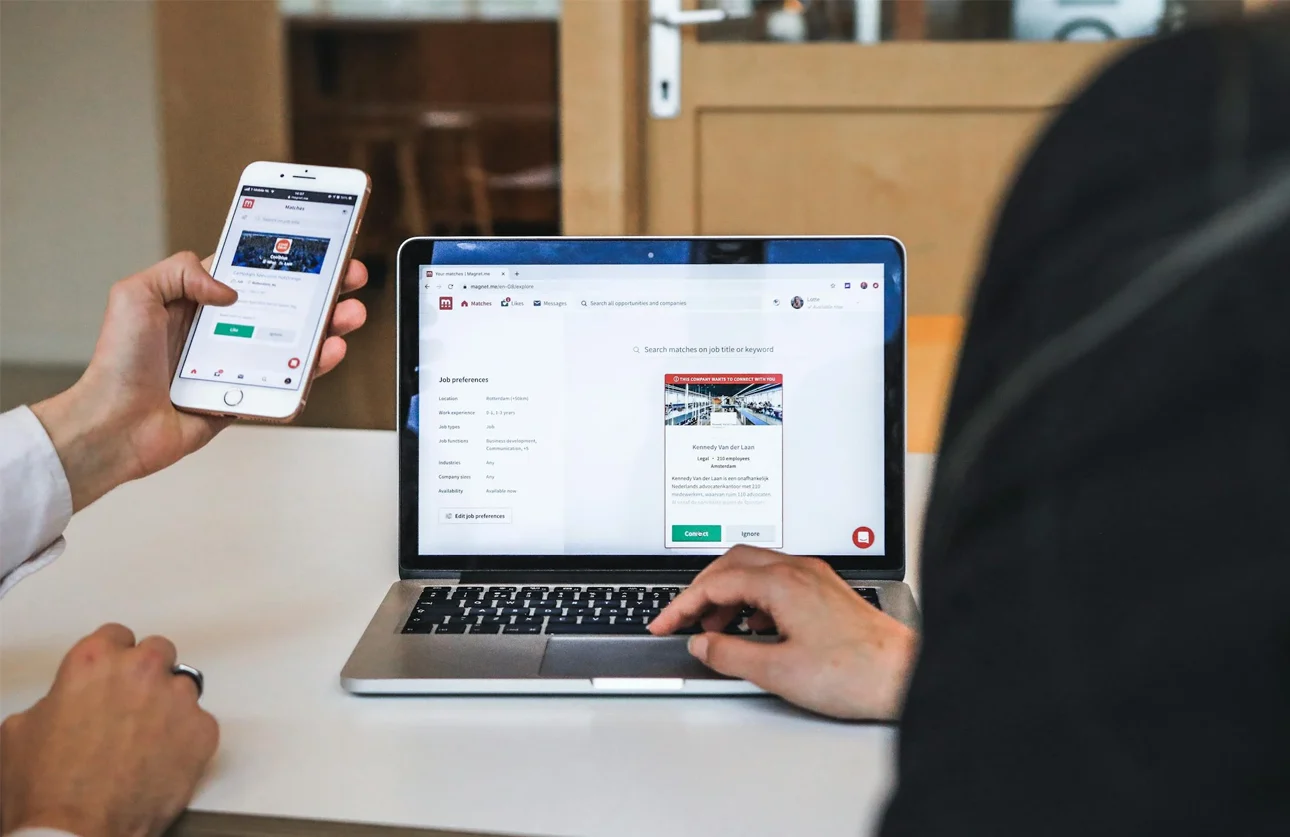
Cloud computing also empowers remote work and hybrid teams. Employees can access their work from any device, at any time, allowing flexibility and continuity. This helps businesses hire talent from anywhere in the world while keeping teams connected and productive. Cloud-based collaboration reduces geographical barriers and ensures that every team member can contribute equally, regardless of location.
Scalability is another core strength of cloud solutions. As businesses grow, cloud tools can easily expand to support more users, larger storage needs, and increased project complexity. There is no need for expensive hardware upgrades or complex installations. This scalability offers cost savings while ensuring that technology never limits progress. Companies can adopt new features, add team members, or adjust storage with just a few clicks.
Cloud computing also enhances workflow automation, helping teams reduce manual tasks and streamline operations. With integrated tools, businesses can automate file sharing, document approvals, reporting, and task assignment. Automation boosts efficiency, reduces errors, and frees employees to focus on more meaningful work. This leads to better outcomes and a more productive workplace environment.
In conclusion, cloud computing is transforming the workplace by enabling seamless collaboration, stronger communication, and greater flexibility. By adopting cloud technologies, businesses create an environment where employees can work together effortlessly, stay organized, and adapt quickly to changing needs. As organizations continue to embrace digital transformation, cloud collaboration tools will play a central role in shaping the future of teamwork and workplace productivity.